Vulcan Centaur: The Next-Generation Rocket Transforming Space Launch
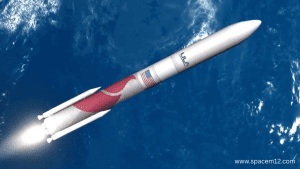
The Vulcan Centaur is United Launch Alliance’s (ULA) newest heavy-lift launch vehicle. It replaces the Atlas V and Delta IV rockets. This two-stage rocket uses advanced methane-powered engines and offers better performance at lower costs. Companies and government agencies now have a reliable way to send payloads into orbit, deploy satellites, and support deep space missions.
What Makes Vulcan Centaur Different from Other Rockets
Vulcan Centaur stands out because of its modern design and fuel efficiency. The first stage uses two BE-4 engines powered by liquid methane and liquid oxygen. Blue Origin manufactures these engines. Methane burns cleaner than traditional rocket fuels and costs less to produce.
The rocket can lift up to 27,200 kg to low Earth orbit (LEO). For geosynchronous transfer orbit (GTO), it carries 15,000 kg. These numbers make it competitive with SpaceX’s Falcon Heavy and other commercial launch systems.
The Centaur V upper stage provides the second boost. It uses RL10 engines that have proven reliable over decades. This combination of new and tested technology reduces risk while improving performance.
Key Technical Specifications
The launch vehicle measures 61.6 meters tall with a diameter of 5.4 meters. The fairing protects satellites during ascent and comes in different sizes to fit various payload requirements.
Solid rocket boosters (SRBs) can be attached for extra thrust. ULA offers configurations with zero to six boosters. This flexibility lets customers choose the right power level for their mission without paying for unnecessary capacity.
The reusable booster design is under development. ULA plans to recover the BE-4 engines using a heat shield and parachute system. This approach differs from SpaceX’s vertical landing method but aims to achieve similar cost savings.
Case Study: Vulcan Centaur’s Maiden Flight Success
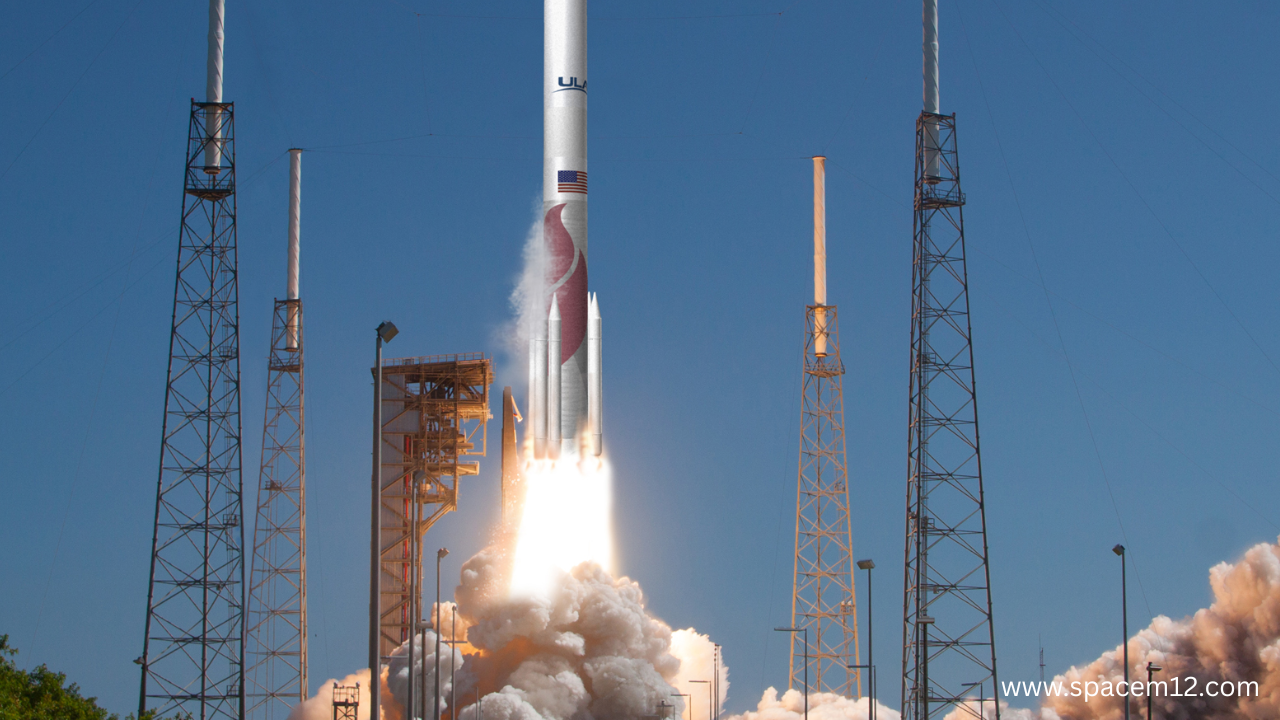
On January 8, 2024, Vulcan Centaur completed its first mission called Cert-1. The rocket launched from Cape Canaveral Space Force Station in Florida. It carried Astrobotic’s Peregrine lunar lander and several small satellites.
The launch went smoothly. Both stages performed as expected. The BE-4 engines fired perfectly during the first stage burn. The Centaur V upper stage then placed the payloads into their target trajectories.
This successful debut demonstrated several important points. First, the methane-fueled BE-4 engines worked reliably in actual flight conditions. Second, the rocket’s guidance and control systems performed accurately. Third, ULA proved it could manufacture and operate a completely new launch system.
While the Peregrine lander later experienced technical issues unrelated to the rocket, the Vulcan Centaur itself met all performance goals. This success allowed ULA to move forward with certification for national security missions.
The Cert-2 mission followed in October 2024, carrying a Sierra Space Dream Chaser test payload. Again, the rocket performed flawlessly. These back-to-back successes built confidence among customers and positioned Vulcan Centaur as a dependable launch option.
Applications and Mission Capabilities
Vulcan Centaur serves multiple market segments. Commercial satellite operators use it to deploy telecommunications and Earth observation satellites. The rocket’s precise orbital insertion capability ensures satellites reach their exact operational positions.
Government clients include the U.S. Space Force and NASA. National security missions require the highest reliability standards. Vulcan Centaur earned certification for these sensitive launches through rigorous testing and successful demonstration flights.
The rocket also supports planetary science missions. Its powerful upper stage can send spacecraft on trajectories to the Moon, Mars, and beyond. This makes it suitable for ambitious exploration programs.
Economic and Environmental Benefits
Launch costs matter to every customer. Vulcan Centaur offers competitive pricing compared to other heavy-lift vehicles. The engine reusability program will reduce costs further once fully operational.
Methane produces fewer carbon emissions than traditional kerosene-based rocket fuel. The cleaner burn also means less maintenance between flights. These factors contribute to both environmental and economic advantages.
ULA manufactures the rocket domestically in the United States. This supports American aerospace jobs and reduces supply chain risks. The company operates launch facilities at both Cape Canaveral and Vandenberg Space Force Base, providing access to various orbital inclinations.
Future Development and Upgrades
ULA continues improving the Vulcan Centaur platform. The SMART reusability system will debut in coming years. This technology recovers the expensive BE-4 engines mid-air using helicopters.
Extended duration missions are also planned. Modifications to the Centaur V upper stage will allow it to coast for longer periods. This enables complex orbital maneuvers and direct-injection missions.
The company is working with multiple customers on upcoming launches. The manifest includes commercial satellites, government payloads, and scientific missions. This diverse customer base ensures steady production and operational experience.
Frequently Asked Questions
How much does a Vulcan Centaur launch cost? Launch prices vary based on payload requirements and configuration. ULA offers customized quotes but estimates suggest costs range from $110 million to $200 million depending on mission complexity.
When will engine recovery begin? ULA plans to test the SMART reusability system within the next few years. The exact timeline depends on completing development and flight testing of the recovery hardware.
What is the difference between Vulcan Centaur and Atlas V? Vulcan Centaur uses methane-fueled BE-4 engines instead of Russian RD-180 engines. It offers higher payload capacity, lower costs, and improved performance with modern technology.
Can Vulcan Centaur launch crewed missions? The rocket is designed for crew-rating capability. However, ULA currently focuses on cargo missions. Future modifications could support human spaceflight if customers require it.

Conclusion
Vulcan Centaur represents a major advancement in space launch technology. Its powerful engines, flexible configurations, and competitive pricing make it an attractive choice for diverse missions. The successful debut flights proved the rocket’s reliability and performance.
Companies and agencies planning satellite deployments or space missions should consider Vulcan Centaur for their launch needs. ULA’s decades of experience combined with cutting-edge innovation deliver results customers can trust.
Ready to launch your next mission? Visit United Launch Alliance to discuss your payload requirements and get a customized quote. Their team provides expert guidance from initial planning through successful orbital insertion.
The future of space access is here. Vulcan Centaur opens new possibilities for commercial ventures, scientific discovery, and national security. Join the organizations already benefiting from this remarkable launch vehicle.

Muzamil
My name is Muzamil, and I am the founder of Spacem12 — a space exploration platform born out of a lifelong fascination with the cosmos. Like many who look up at the night sky and feel something stir, my passion for space began not in a classroom or a laboratory, but simply through curiosity. As a dedicated hobbyist, I found myself spending countless hours reading about rocket launches, distant galaxies, planetary missions, and the extraordinary people who dedicate their lives to exploring the unknown. Over time, I realized that much of the most exciting space content was either too technical for everyday readers or scattered across dozens of different sources. I started Spacem12 to change that — to create a single destination where anyone, regardless of their background, can explore the wonders of the universe in a clear, engaging, and accurate way. Spacem12 is built on the belief that space belongs to everyone. Whether you're a student discovering astronomy for the first time, a curious mind following the latest missions, or a fellow enthusiast who simply can't stop watching rocket launches — this site is for you. The universe is vast. The journey is just beginning.
View all posts